Authors
Podcasts
Videos
Store
JOIN VIP
LOGIN
MY ACCOUNT
unread messages
Account Settings
Messages
Newsletter Subscriptions
Comment Settings
Log Out
MY ACCOUNT
unread messages
Account Settings
Messages
Newsletter Subscriptions
Comment Settings
Log Out
LOGIN
JOIN VIP
Authors
Columns
Videos
Podcasts
Store
Contact Us
Terms & Conditions
Privacy Policy
California - CCPA Notice
Advertisement
James Sensenbrenner
Posts
Nov 17, 2011
EPA should consider American drivers, not special interests
Jul 16, 2010
Obamacare: Lies, D*mn Lies & Statistics
Jun 10, 2010
This is Leadership?
Advertisement
Trending on Townhall Media
1
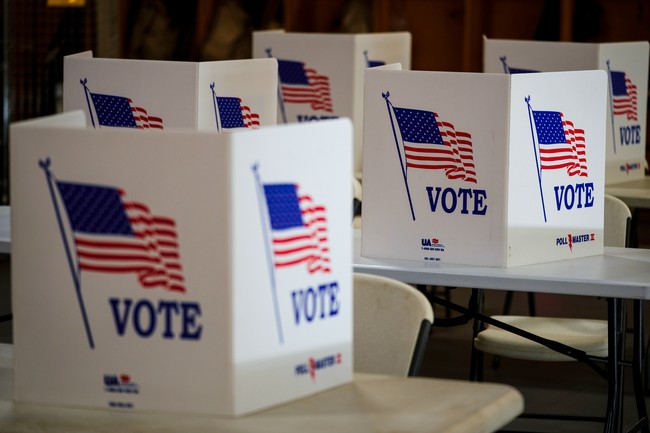
Trump Seeks Total Revenge in Indiana Tonight
2
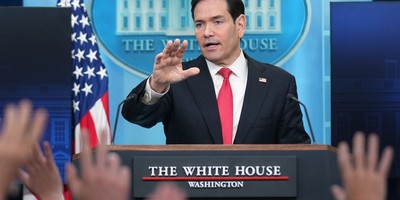
Marco Rubio's One-Day WH Press Secretary Gig Was Chaotic, Funny, and Surprisingly Brutal
3
'In Short, He's in Deep DOO-DOO': MASSIVE Public Records Audit Shows Ro Khanna Has Some Splainin' to Do
Advertisement
Most Popular
Iranian FM Spox Melts Down Over X Checkmarks, Gets a Brutal Reality Check
LIVE: Election Results - Indiana and Ohio
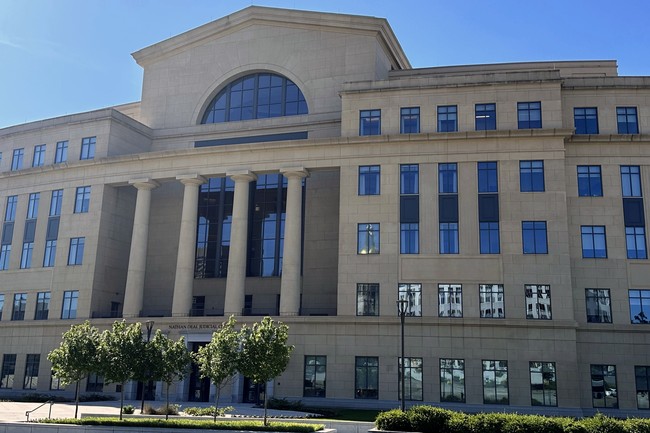
Hot Takes: GA Supreme Court's Punishment for Prosecutor Who Cited Fake Cases Has People Talking
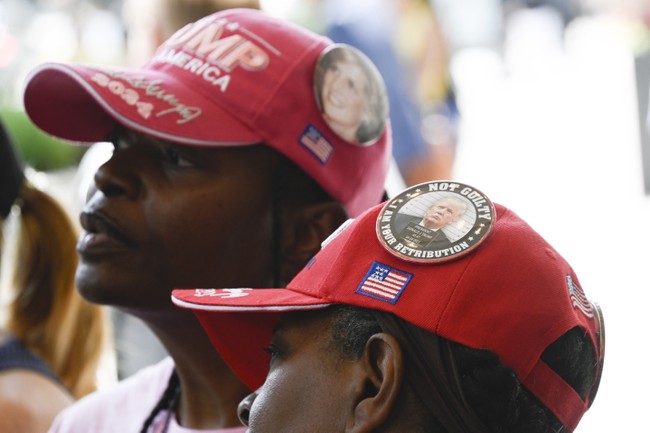
Black Voters Have 'Peaced Out' of the Democrat Party; Legacy Media Forced to Report on This Reality
Marco Rubio's One-Day WH Press Secretary Gig Was Chaotic, Funny, and Surprisingly Brutal
Teri Christoph
Advertisement
LOAD MORE
Loading...
TRENDING ON TOWNHALL MEDIA
Trump Seeks Total Revenge in Indiana Tonight
'In Short, He's in Deep DOO-DOO': MASSIVE Public Records Audit Shows Ro Khanna Has Some Splainin' to Do
Marco Rubio's One-Day WH Press Secretary Gig Was Chaotic, Funny, and Surprisingly Brutal
It's Official: The Climate Scam Was a Scam All Along