Change stops at the water's edge.
In Honduras, Iran, and now Egypt, President Obama chose to side with dictatorships over the democratic resistance.
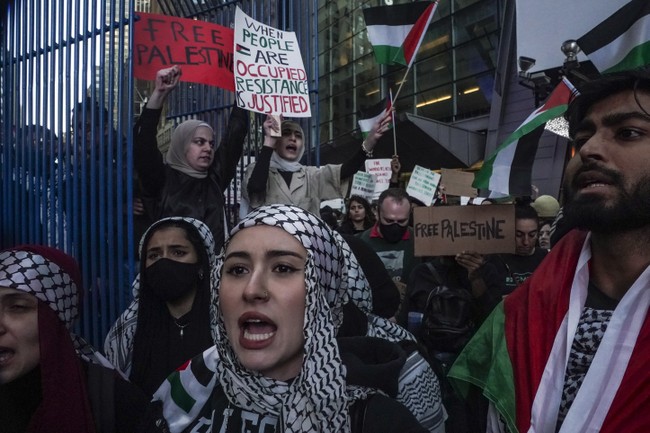
The unrest in Egypt is easily the most critical international crisis of the Obama Administration, and by all accounts the president is not handling it well. His ambiguous and overly cautious statements on the popular uprising in that crucial Middle East nation have managed only to alienate both the pro-democracy protesters and the pro-regime forces from America, opening the door for truly radical elements like the Muslim Brotherhood to potentially exploit the chaos and seize power.
Hosni Mubarak has ruled Egypt by emergency powers for nearly thirty years. Mubarak’s chief value to the United States lies in the continuation of his predecessor Anwar Sadat’s peace with Israel, for which he collects $1.5 billion annually in American aid to prop up his government, close military cooperation for the forces that keep him in power, and the legitimacy that comes with being a “key” U.S. ally. In return, the United States has received “stability” in a vital region – a benefit that looks far less valuable in light of the events of the past two weeks.
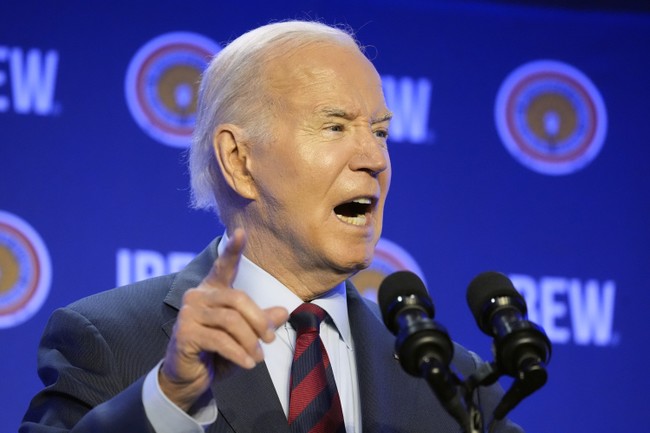
President Obama’s initial instinct was to support Mubarak over the protesters. At the outset of the unrest, Vice President Biden refused to label Mubarak a “dictator,” and early Administration pronouncements on the situation stressed Egypt’s important role in maintaining peace in the Middle East. Secretary of State Hillary Clinton dismissed the protests entirely early on, declaring Egypt’s government to be “stable.”
This early support for the regime, however tepid, enabled Mubarak to hold on to power at the most critical juncture. Moreover, the Administration’s decision not to come down squarely on the side of the people against an autocratic government led directly to the violence visited on the protesters by government-organized gangs of regime supporters this week. The White House’s condemnation of the violence and call for an, “orderly transition,” have been completely ignored.
Some might chalk up President Obama’s hesitancy in embracing the protests to inexperience or the gravity of the situation. However, the Obama Administration’s response to events in Egypt follows along the same lines as its responses to two other uprisings that have occurred on its watch: Honduras and Iran. In each case, President Obama chose to side with a dictatorship over its democratic resistance.
Read More →